Featured
Table of Contents
Everyone experiences sorrow in a different way. Your experience of sorrow and just how you cope with it will certainly depend on different elements. These might include your age, previous experiences with grief and your spiritual or religious sights.
Anticipatory pain implies sensation sad before the loss takes place. As opposed to regreting for the individual, who is still with you, you may really feel pain for the important things you won't reach do together in the future. When encountering a considerable loss, such as the death of a loved one, it is all-natural to really feel several strong emotions.
This doesn't indicate you have quit on the person or that you don't care for them. Individuals detected with an incurable disease and those facing the fatality of a loved one may experience anticipatory grief. If you have actually been diagnosed with an incurable disease, you may experience numerous emotions including shock, worry and unhappiness.
Early Attachment Injuries and Workplace Relationships
You regret shed chances or experiences you'll miss even little ones, such as the satisfaction of the sunlight or a hot cup of coffee. If a person you like is dealing with an incurable disease, it prevails to experience anticipatory sorrow in the months, weeks and days prior to death. You might regret the same points your liked one is grieving, or various losses completely.
You might really feel that the individual you knew is currently gone, also if they are still physically there. If your liked one has a decrease in physical health and wellness or mobility, you may feel anticipatory grief as you lose the possibility to share experiences, such as hobbies, vacations or events.
This is specifically true if you invest a great deal of time caring for the person. You might miss activities you used to delight in with each other and really feel sorrow regarding the adjustment in your partnership. The nature of your connection may alter as you handle a carer's function, or end up being the one being taken care of.
Sensations of sorrow prior to death are typical it's crucial to identify them, and to talk regarding them. Experiencing awaiting sorrow does not necessarily imply that you will regret your liked one any less after they are gone.
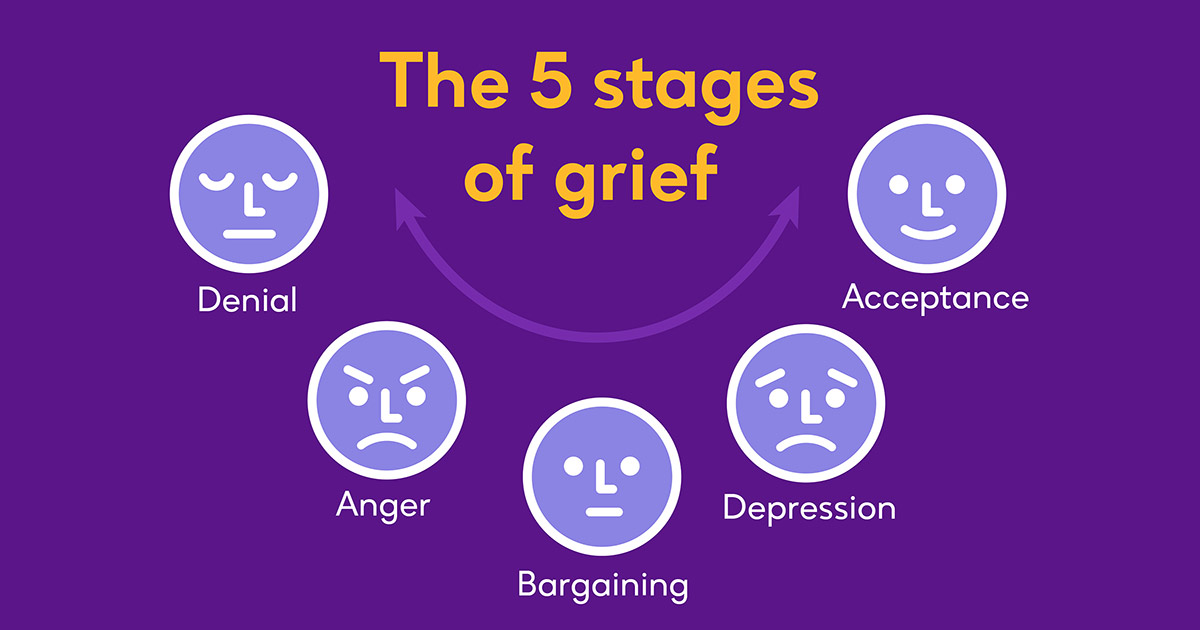
In fact, we do not experience feelings of despair one at a time or in a certain order. You might experience these points because they are all typical sensations of despair.
Some individuals really feel numb after the death of an individual they cared about. If you experience this, it could be because it's just as well tough to think that the person you recognize so well is not coming back.
Transitioning from Survival Mode to Authentic Living
Maybe they assure themselves that they will currently constantly do (or otherwise do) something, believing that it could make the individual that has actually passed away come back. Or possibly they believe it will certainly quit anyone else passing away or various other bad points occurring. This is often called 'enchanting reasoning'. People may additionally locate that they keep going back over the past and ask great deals of 'what if' concerns, wanting that they can go back and change points to make sure that they can have transformed out in different ways.
These feelings can be really extreme and painful, and they might reoccur over numerous months or years. Yet the majority of people find that uncomfortable sensations like this ended up being much less strong in time. If you do not feel this is the instance for you, after that you should ask for assistance.
Her design came to be widely approved as a means to recognize pain, however gradually, despair counsellors and scientists expanded upon it, resulting in the growth of the. This extensive model incorporates added emotional responses that people may experience: The preliminary response to loss typically brings shock and disbelief. This phase serves as a safety mechanism, enabling us to soak up the fact of our loss in convenient doses.
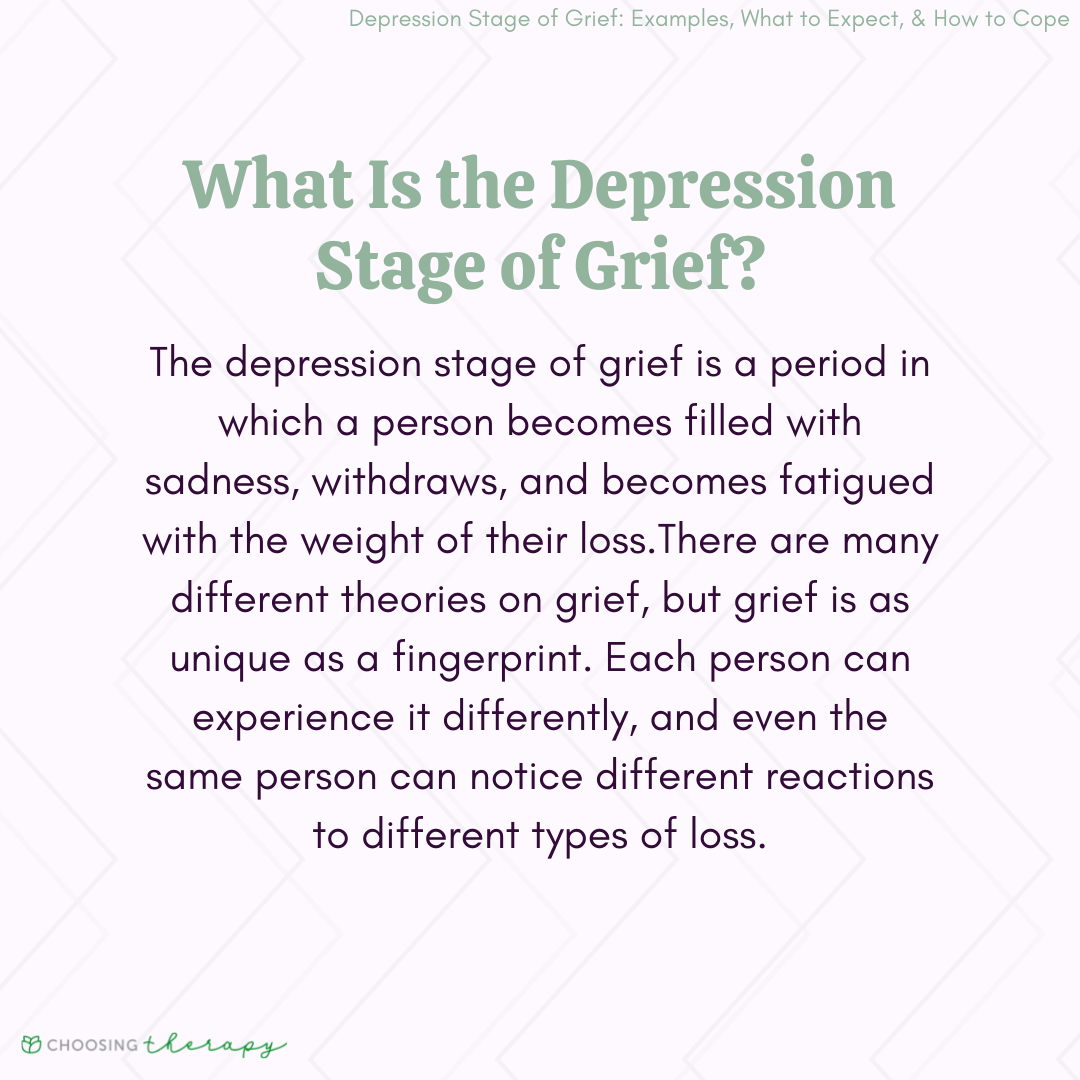
As the shock discolors, deep psychological pain collections in. Feelings of remorse or regret may arisewondering if you might have done something in a different way, or feeling sadness over points left unspoken. It's vital to recognize these sensations as opposed to suppress them. Pain can show up as angertoward on your own, others, or perhaps the person that has actually passed.

Latest Posts
What Is Obsessive-Compulsive Disorder?
Body Acceptance Healing in Trauma Healing
Children's Psychological Care Through Mindfulness Therapy